
Short answer: Multi-site studio chains, teacher-training academies, and regional equipment distributors do not need to fund $80,000 in custom tooling to build a signature Pilates line. Starting from proven commercial platforms at MOQ 6–15 units, you can already customize microfiber upholstery color, wood lacquer tone, laser-etched metal brand badges, and branded assembly manuals — then expand into custom alloy extrusion colors, custom spring tensions, and branded retail cartons at 20GP and 40HQ volumes.
Private label (ODM) vs. custom structural OEM: picking the right starting tier
Buyers often say “OEM” when they mean two very different manufacturing scopes. Clarifying your scope on day one saves four to eight weeks of unnecessary engineering back-and-forth:
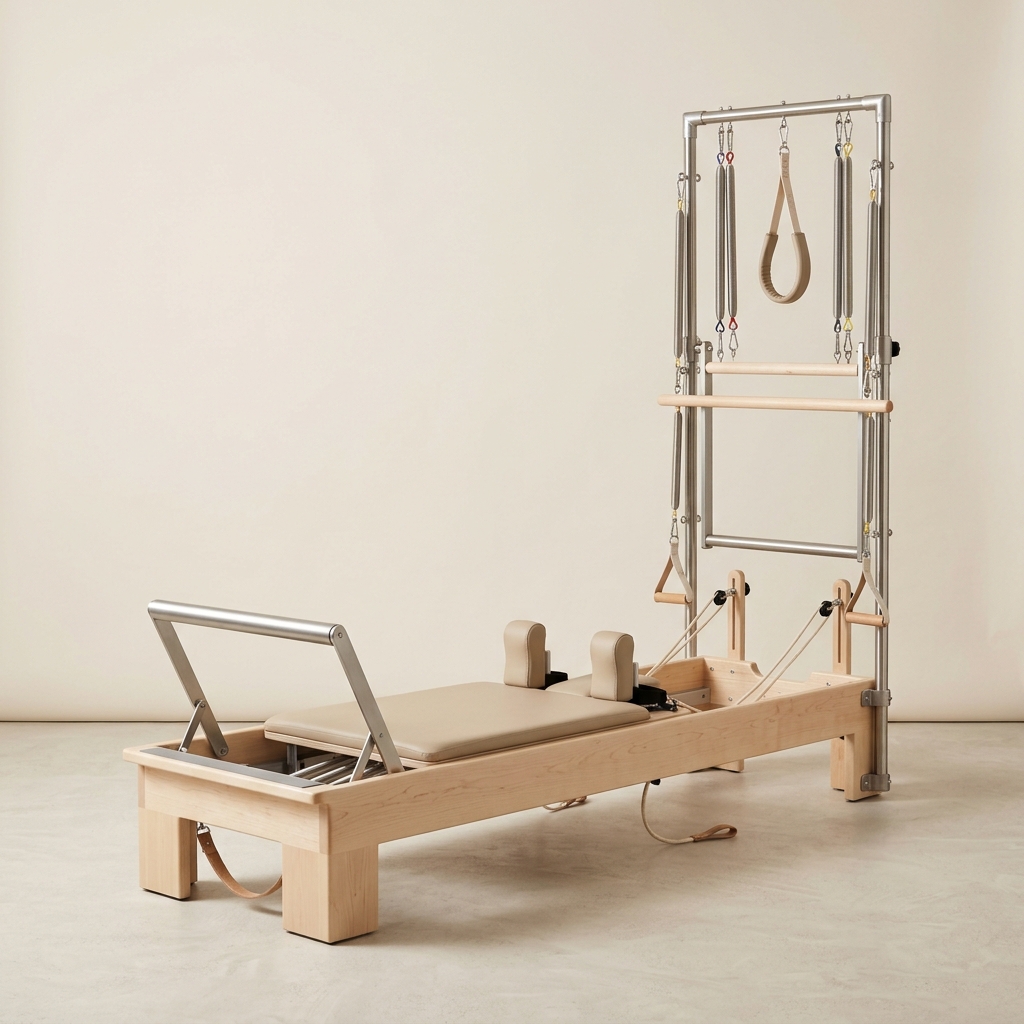
- Private Label / Branded Commercial Platform (Fastest Route): You build on tested mechanical geometry — such as our Nordic Maple Reformer, Urban Anodized Aluminum Reformer, Half-Trapeze Tower, and Studio Cadillac — while customizing finishes, upholstery, metal logo badges, strap embroidery, and documentation. Zero structural mold fees, predictable lead time, and immediate spare-part compatibility.
- Structural OEM / Custom Tooling (Distributor Scale): You modify aluminum rail extrusions, carriage lengths, footbar locking mechanisms, or custom molded jumpboard components. Structural changes require CAD engineering sign-off, new extrusion dies or CNC fixtures, cycle-fatigue testing, and minimum container commitments so per-unit economics stay healthy.
What you can customize at MOQ 6–15 units vs. 20GP vs. 40HQ container runs
Every customization item in a furniture-grade Pilates workshop carries its own material batch minimum (dye-lot rolls of microfiber, anodized aluminum bath runs, or CNC laser jigs). The matrix below shows what becomes available cleanly at each commercial order tier:
| Customization Element | Boutique Chain (6–15 Units) | 20GP Container (~18–24 Units) | 40HQ Distributor (~40–55+ Units) |
|---|---|---|---|
| Upholstery color from factory microfiber library (18+ shades) | Included (batch-matched) | Included (multi-color splits) | Included + custom Pantone dye lot |
| Timber finish (Natural Maple, Warm Oak, Smoked Walnut) | Standard 3 studio stains | Standard + custom satin stain match | Custom stain + batch archival sample |
| Anodized aluminum rail & frame finish | Matte Champagne / Charcoal | Standard + Matte Sand / Bronze | Custom powder-coat or anodize shade |
| Brand mark (laser-etched stainless / brass plate or timber inlay) | Included on frame & sitting box | Frame, box, footbar cap & tower | Full hardware & embossed strap kit |
| Printed manual, assembly card & crate shipping marks | Branded PDF + crate stencil | Printed branded manual & serial label | Custom retail box, SKU barcode & manual |
| Structural / dimensional modification (rail profile, carriage height) | Not economical | Minor accessory tweaks only | Full CAD & custom tooling program |
Review our active factory customization options and swatch kit request process on the OEM & Private Label Manufacturing page.
Controlling wood stain and upholstery dye lots across repeat reorders
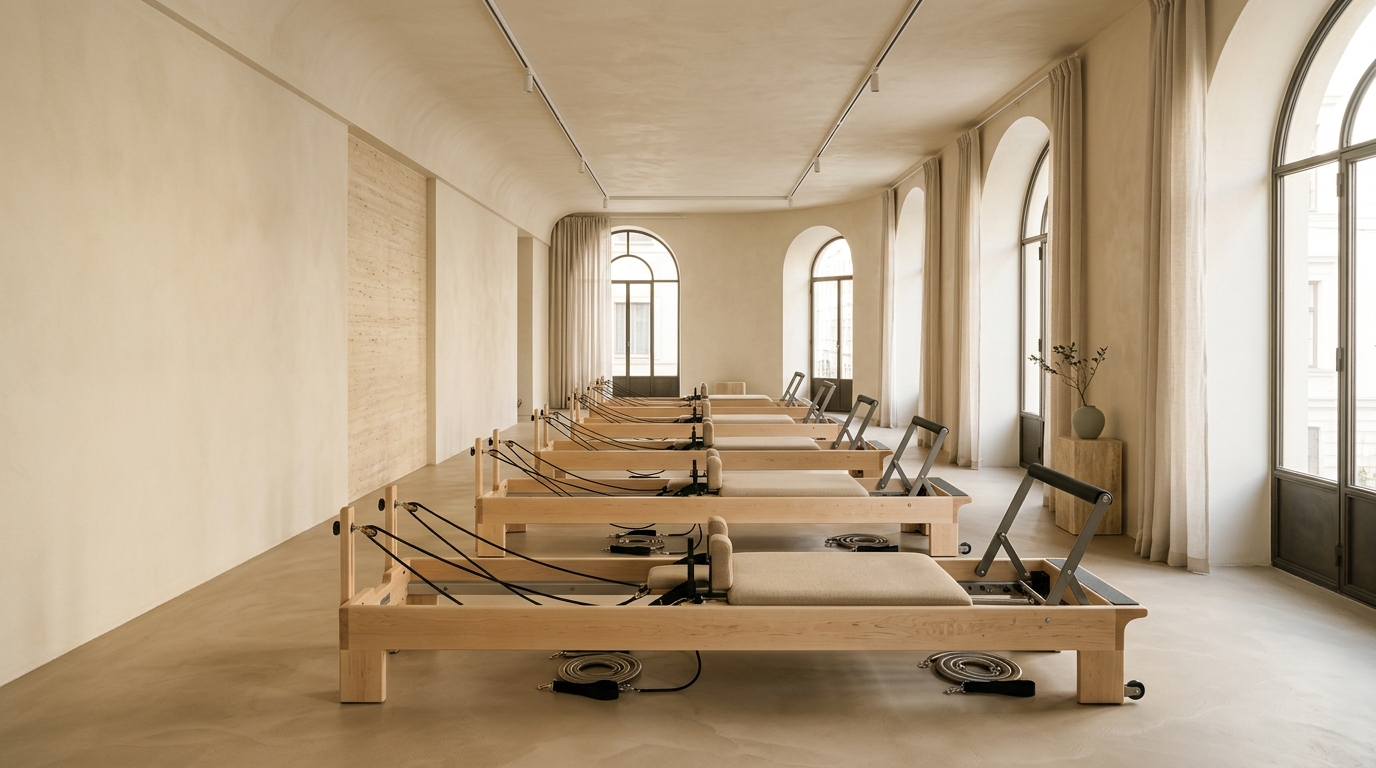
The number-one quality complaint from growing studio franchises and regional wholesalers is shade drift: Location #1 opens in warm linen beige and pale natural maple, and nine months later Location #2 arrives looking noticeably yellower in timber tone or cooler gray on the vinyl.
Preventing shade drift requires a physical “Golden Sample” protocol before bulk production begins:
- Physical swatch approval under daylight and warm 3000K studio LEDs: Phone screen photos shift warm sand, sage, and taupe hues dramatically. Always inspect physical microfiber leather cuttings and lacquered maple/walnut wood blocks inside your actual studio lighting before signing off.
- Dual-copy Golden Swatch archive: Once you approve the wood block and microfiber roll code, PILORA tags one sealed copy inside your client master file in Xiamen and ships the twin copy back to you. Every future reorder — whether 6 months or 2 years later — is checked directly against that archived swatch prior to spraying lacquer or cutting vinyl.
- Single-batch upholstery cutting per studio room: Even within one color code, cutting every Reformer carriage, headrest, shoulder pad, sitting box, and jumpboard for a single studio from the same roll guarantees zero panel-to-panel sheen mismatch.
Subtle luxury branding: metal nameplates, strap embroidery, and neutral export crates
High-end studio clients and wholesale buyers judge brand credibility by restraint. Oversized vinyl stickers peeling off a wood frame immediately signal low-cost dropshipping. Instead, focus brand touchpoints on four durable details that survive years of studio wiping:
- Recessed laser-etched brushed stainless or matte anodized nameplate: Mounted cleanly on the standing platform edge or outer headrail with countersunk fasteners — impervious to studio disinfectant sprays.
- Blind-debossed upholstery tag or woven double-loop strap label: A crisp, subtle mark stitched onto the Reformer hand/foot loops and sitting box handle without rough ink that rubs against client skin.
- Serial-number warranty plate underneath the frame: Lists your brand name, batch month, and unique unit serial ID so your local customer-service team can trace springs, wheels, and warranty claims effortlessly.
- Blind-branded export crate stencils & documentation: For regional distributors who drop-ship crates directly to studio clients, crates carry only your brand SKU, PO number, gross weight, and handling icons — with zero third-party factory markings on the outside.
Spare-part stock ratios that separate serious distributors from one-off importers
Studio owners buy from local distributors for one main reason: fast local support when a wear part needs replacing. If you sell 20 Reformers into your regional market without stocking wear parts locally, one snapped spring hook or torn cotton loop turns into a three-week air-freight headache.
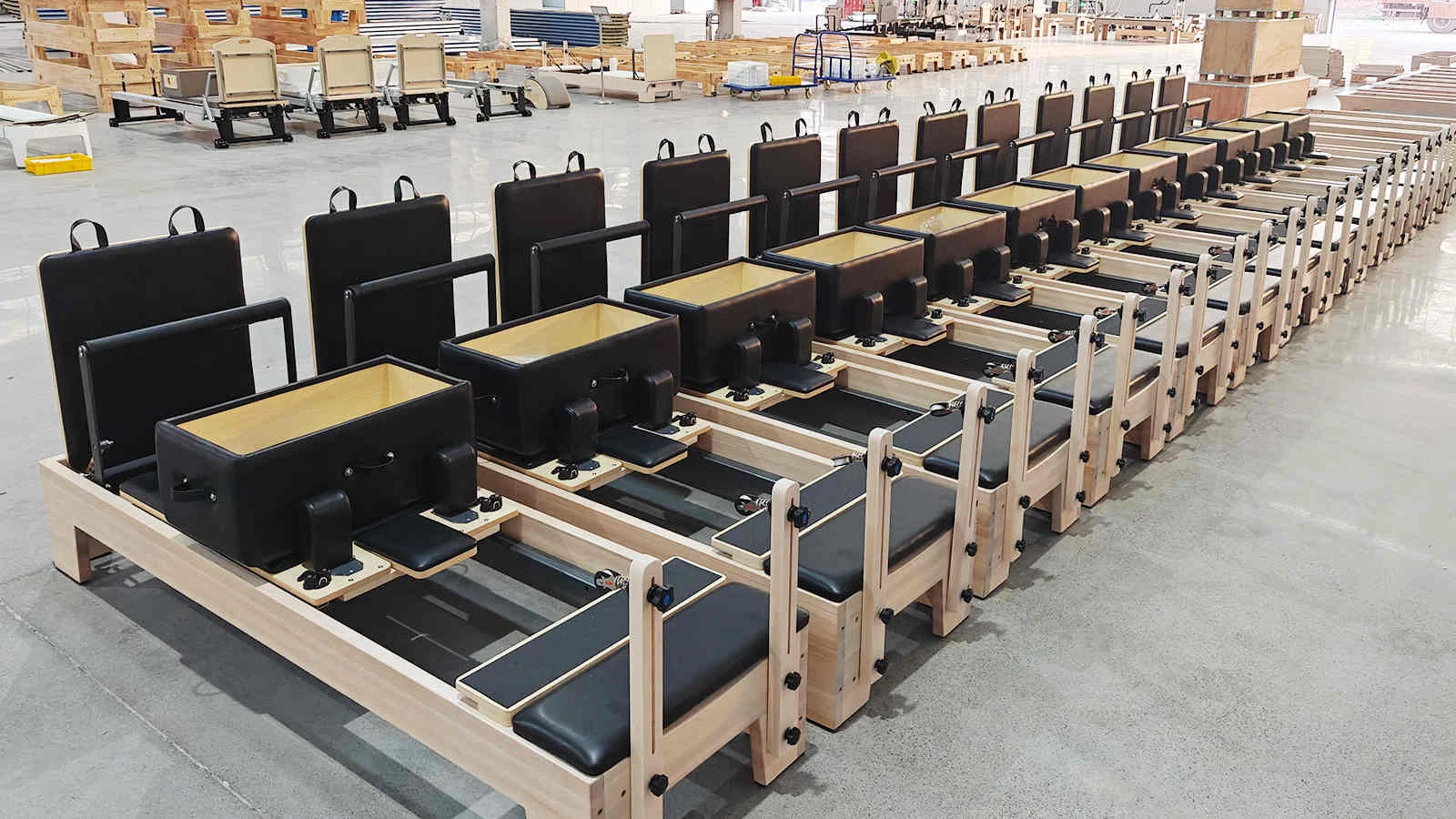
On every 20GP or 40HQ container loaded in Xiamen, pack a dedicated spares carton occupying less than 0.4 CBM: 15% extra calibrated springs across all resistance weights, 20% extra carriage wheel & bearing assemblies, 10% extra rope sets and double-loop straps, spare footbar locking pins, shoulder-block posts, and two pre-upholstered headrest/shoulder pad sets in your top-selling shade. Use our Container & CBM Calculator to see how spare cartons nest inside your container without raising sea freight.
Step-by-step OEM & private-label launch timeline (Sample to Container)
Launching a repeatable commercial brand line takes discipline up front so every subsequent container reorders smoothly:
- Stage 1 (Days 1–5 — Spec & Swatch Pack): Select base models, send vector logo files (AI/SVG), and receive physical timber blocks, microfiber swatches, and anodized rail chips by express courier.
- Stage 2 (Days 6–12 — Visual Placement Proof): Approve PDF engineering mockups showing exact metal plate coordinates, strap label sizing, serial plate layout, and crate stencil artwork.
- Stage 3 (Days 13–28 — Pre-Production Prototype Unit, Optional for Distributors): Build and test one complete branded sample machine in Xiamen; approve glide video, tension check, and finish photos (or ship the sample by air/LCL to your showroom before full container run).
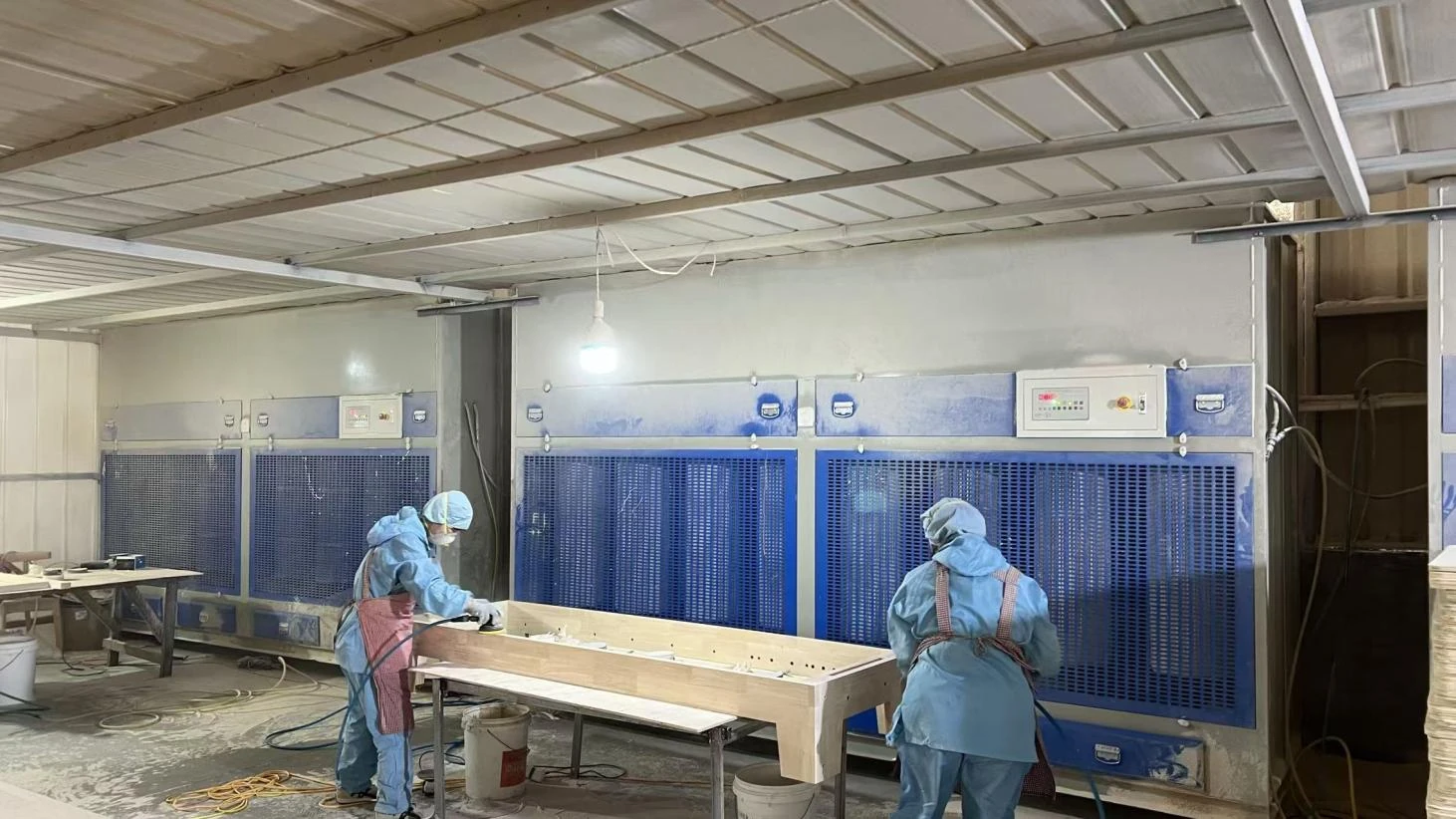
- Stage 4 (Days 29–55 — Container Batch Manufacturing & QC): Full workshop run matching your Golden Swatch archive, followed by unit-by-unit QC checklist, serial-number log, and crate loading photos inside the container. Explore our manufacturing stages on the About PILORA & Factory page.
Frequently asked questions on private-label & OEM Pilates manufacturing
Can I mix Maple Reformers, Aluminum Reformers, Towers, and Wunda Chairs in one OEM order?
Yes. Most distributor 20GP and 40HQ orders combine 60%–70% flagship Reformers with Half-Trapeze Towers, 1–2 Cadillacs, Wunda Chairs, and Ladder Barrels — all finished in the same archived wood lacquer and microfiber shade so studios can furnish an entire room from your brand catalog.
Will PILORA protect my private-label brand assets and custom color combinations?
Yes. We sign standard mutual NDA and non-disclosure agreements covering your logo plates, custom manuals, distributor territory pricing, and customer shipping lists, and never publish private-label client crates or logos without written permission.
What is the minimum order to get custom microfiber color outside the standard library?
Our 18+ studio library shades (Warm Linen, Sand Beige, Sage Olive, Espresso, Charcoal, Terracotta, and more) are available from MOQ 6 units. Custom Pantone-matched microfiber dyeing typically starts at roughly 30–40 Reformer equivalents (one 40HQ batch) to cover the upholstery mill's roll minimum.
Summary: build your brand on proven mechanics and disciplined finish control
The most profitable regional Pilates brands do not reinvent the Reformer track on container #1. They start with a durable, silent commercial chassis, lock a distinctive wood-and-microfiber palette using archived Golden Swatches, apply restrained metal-plate branding, pack 15% spare wear parts inside every container, and scale smoothly from a 6-unit boutique chain rollout to recurring 40HQ wholesale deliveries. Request our physical OEM Swatch & Finish Kit below to inspect material quality firsthand.
Request Physical Wood & Microfiber Swatches + OEM Price Tier Sheet
Tell us whether you are equipping a multi-site studio brand or launching a regional wholesale line — we will prepare MOQ 6, 20GP, and 40HQ pricing plus swatch kit dispatch details.
Leave a Comment or Ask a Studio Question
Only your email address is required (never published). Your note is forwarded straight to our team for review and email follow-up.